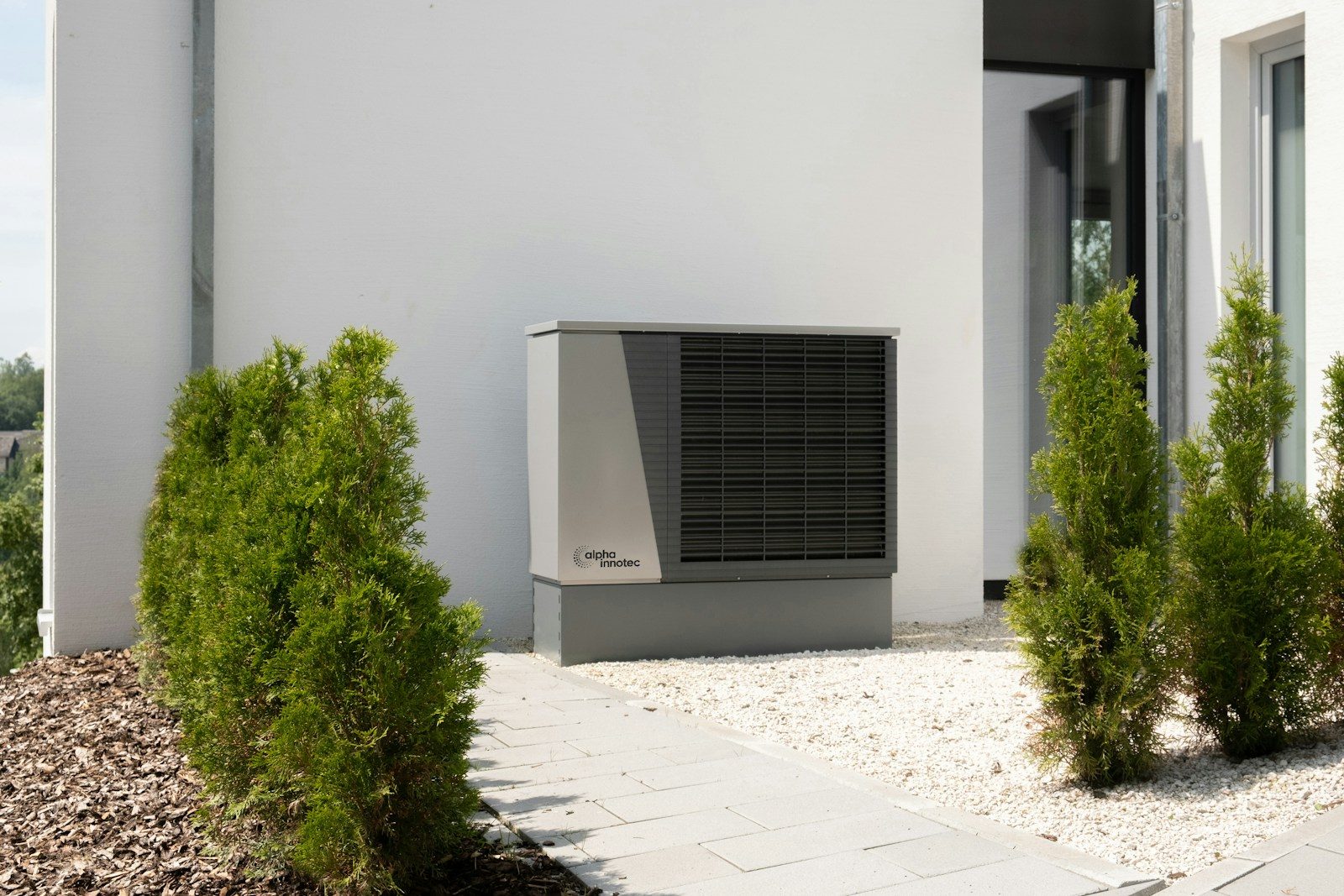
Switzerland is known across the globe for its fine chocolates, delicious cheeses, and finely crafted watches. But there’s another, less-celebrated Swiss contribution making waves today: pioneering engineering that helped transform heat pumps from a bright idea into a solution for homes, cities, and the climate. This little-known part of Swiss history sets the backdrop for why the country sits at the heart of the heat pump movement now, shaping how heating is changing in Switzerland and abroad.
The journey of heat pumps, from early lake-source experiments in Swiss towns to today’s super-efficient home systems, shows us how inventive ideas, good policies, and practical designs can revolutionize heating. This legacy isn’t just trivia – it explains why heat pumps are leading the transition toward cleaner energy in Switzerland and much further afield. For example, anyone considering a heating upgrade or researching solutions for Bern may come across Bym Solar – Wärmepumpen in Bern, which highlights the region’s appetite for modern, efficient ways to stay warm.
Swiss Innovation at the Birth of Heat Pump Technology
The basic concept behind heat pumps is clever and surprisingly simple: rather than making heat by burning fuel, they move heat from one spot to another with the help of electricity. At first glance, this might seem obvious, but at the time, it marked a creative leap in engineering.
Swiss engineers have played a standout role in this story. In the early 1900s, they were already tinkering with heat extraction from lakes, rivers, and soil – even in cold climates. They proved that usable warmth can be found even in low temperatures. The main challenge became figuring out how to grab that energy efficiently, not whether it was there.
Reverse refrigeration is the key: by running a refrigeration cycle backward, a heat pump can deliver several units of warmth for every unit of electricity it consumes. In some of the newest systems, that’s three to four units of heat for just one unit of power. The result is unbeatable efficiency compared to standard electric heaters and much less pollution than oil or gas boilers, especially as power grids go green.
How Switzerland Became a Living Heat Pump Example
Switzerland is more than just an early innovator – it’s become a living demonstration of how to scale heat pump technology. The nation’s ambitious climate goals, talented workforce, and the growing realization that cleaner heating is essential, all combine to drive this progress.
Why is this so important? Heating systems and buildings last a long time. New boilers can lock in higher costs and emissions for decades. Choosing a heat pump sets people up for future savings and lower emissions.
Swiss winters are cold, and residents expect cozy, comfortable homes. Fortunately, current cold-weather heat pumps perform smoothly well below freezing, so the technology now fits everything from Alpine villages to city apartments and older homes – especially when paired with good planning and insulation.
Why Heat Pumps Stand Out
What draws so many people to heat pumps are several major benefits rolled into one system.
Cleaner Air, Fewer Emissions
When joined with cleaner electricity, heat pumps slash greenhouse gases from heating. Even on today’s electrical grids, they leave oil or gas systems far behind due to their smart use of energy.
Stronger Energy Independence
By cutting the need for imported fuel, heat pumps help local economies keep more money at home instead of sending it abroad for gas or oil.
Savings That Grow with Time
Though the first bill for a heat pump may top that of a traditional boiler, ongoing costs tend to be much lower – especially when electricity rates, government incentives, and good insulation work in the system’s favor. That long-term payoff means many households find this investment worthwhile.
Year-Round Comfort and Safer Air
Heat pumps bring steady warmth in winter and, for many models, cooling in summer. Because they don’t burn anything onsite, they also avoid sending nitrogen oxides or fine particles into your living space.
Local Jobs and Skills
Installing heat pumps supports local tradespeople and planners. Instead of spending on imported energy, money is spent on local products and services, feeding the regional economy.
Beyond Single Homes: District Heating with Heat Pumps
The next big chapter in heat pump technology is focused on large-scale and community systems. These setups use renewable energy from lakes, sewage, geothermal sources, or big ambient heat recovery to warm multiple properties – like city blocks or industrial parks – instead of just one house.
For cities such as Bern, densely packed neighborhoods are often better served by shared heating networks than by lots of small systems. Big heat pumps can supply these networks, making use of limited space and serving a variety of building ages and sizes.
This demonstrates that heating’s future is flexible. Some properties suit compact air-source units; others do better with ground-source options. Urban districts might benefit most from shared renewable networks. The right answer depends on each place’s buildings, infrastructure, and resources.
Policies Fuel the Market Shift
Changing heating options requires more than inventive gadgets – it also needs smart policy.
Swiss leaders know that slashing building emissions is necessary to meet climate milestones. National and regional programs are stepping up: there are growing supports for moving away from oil and gas, from grants to new rules and rising public awareness.
This policy push has changed the conversation. Heat pumps are not just a green luxury – they’re quickly becoming standard practice in renovations and new-builds. As rules get stricter and energy efficiency gains value, heat pumps are seen as not just wise, but essential.
In everyday life, this shift means residents are more curious, contractors are busier, and energy experts present heat pumps as a must-have in plans for modernizing buildings.
Real-World Hurdles to Keep in Mind
To be fair, swapping out heating systems is not always straightforward.
Heat pumps perform best in homes with solid insulation and careful installation. If sizing or setup is off, operating costs can go up and comfort can fall short.
Retrofitting old buildings in crowded towns, or those with historical protections, can be tricky – sometimes electricity supplies need upgrades, or several system types must be compared before choosing. Clear advice about costs, savings, incentives, and which model fits best is vital. Trusted local guidance becomes very valuable.
What Sets the Swiss Approach Apart
Swiss engineering carries a worldwide reputation for careful thought and consistent performance – qualities that define the best heat pump systems.
Great heat pump setups aren’t flashy. They’re tailored to each building and well-matched to the climate. Everything matters – the level of insulation, how heat is distributed, controls, and even the behavior of those living there.
This “whole system” perspective is a Swiss specialty. Heating is seen as part of a bigger energy setup, not just an appliance swap. This outlook leads to better sizing, smarter source choices, and stronger long-term results.
Pointers for Homeowners
If you’re thinking of installing a heat pump, Swiss experience offers a useful lesson: look to the future, not just today’s price tag.
Ask yourself:
- How well is your home insulated?
- Can your existing heating setup work with a heat pump?
- Which heat sources are ideally available at your location?
- Are government incentives an option?
- What sort of maintenance will you need over the years?
A heat pump is more than just hardware – it’s a wise investment in comfort, lower bills, and a home prepared for a future where fossil fuels will cost more and make less sense.
Heat Pumps: More Than Just Heating
Perhaps the most exciting thing about heat pumps is that they help the whole energy system. As power grids become greener and more flexible, heat pumps can store energy, balance electricity demand, and connect homes more smartly to the wider energy network. Paired with solar panels, advanced controls, and heat storage, they’re central to tomorrow’s climate-friendly infrastructure.
That’s where their promise lies. Heat pumps are efficient, adaptable, and already working in thousands of real-world homes.
Swiss Ingenuity, Global Solutions
From the early days of Swiss heat experiments to modern heating upgrades, one lesson is clear: climate solutions can be practical and dependable, using the knowledge we already have.
From the Alps to the city of Bern, Switzerland shows that local ideas can help tackle climate challenges everywhere. Heat pumps are a shining example, blending clever engineering with climate goals, and giving us cleaner, comfier places to live and work.
If our heating future is about smarter, greener choices, Swiss know-how offers one of the best paths forward – especially as more people in Bern and beyond choose heat pumps as the new normal for their homes and communities.