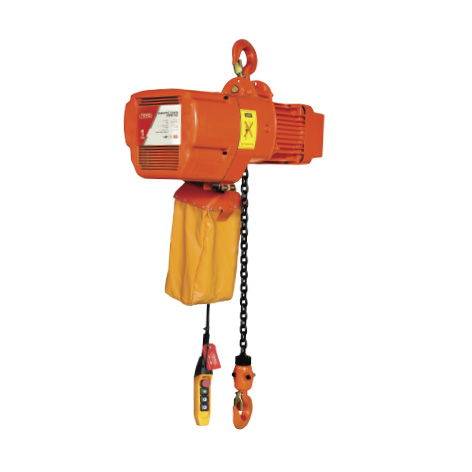
Electric chain hoists have become an essential tool in the industrial world, blending power, accuracy, and safety in a single machine. These devices simplify the tough job of handling heavy loads, whether that’s moving machinery in a busy factory or managing materials on a construction site. Understandably, electric chain hoists have dramatically changed the way industries handle lifting challenges. This article will explain what electric chain hoists are, why they are so valuable today, new trends setting the standard for their use, and practical advice on picking the best model to meet your needs. By the end, you’ll have a complete understanding of how electric chain hoists work, from the basics to the latest features and choosing the right one for your workplace.
What Is an Electric Chain Hoist?
An electric chain hoist is a powered lifting device that uses an electric motor and a sturdy chain to lift or bring down heavy objects, and with the addition of a trolley, it can also move them side to side. Compared to lifting by hand or with older manual tools, using an electric chain hoist makes jobs simpler, quicker, and much safer.
These devices have an interesting history. People have lifted and moved loads with simple manual hoists for centuries. As technology grew, hoists improved with gears, levers, and more engineering. Once industries adopted electric motors, the electric chain hoist came about as a safer and much more effective way to deal with especially heavy lifting needs. Electric chain hoists are now available to handle everything from light items around 60 kg all the way up to systems meant to lift over 100 tonnes, supporting almost every major industry.
Main Features and How Electric Chain Hoists Work
Electric chain hoists may look complicated from the outside, but the concept is straightforward. They have a few key parts:
- Electric Motor: Provides the strength needed for lifting and sometimes moving sideways.
- Load Chain: Made from sturdy, high-grade steel to support heavy loads.
- Suspension Hook or Lug: Connects the hoist to an overhead beam or railway track.
- Control Device or Remote: Helps the operator safely move loads up, down, and sideways.
- Trolleys: Used for moving the load along tracks or beams; can be manual or powered.
These machines can be tailored for special circumstances, such as lifting at higher speeds, working in dangerous or explosive environments, and handling outdoor conditions. Many electric chain hoists come in models that protect against moisture, dust, and harsh weather, especially for jobs in rough locations.
Latest Uses and Trends for Electric Chain Hoists
Compared to early models, modern electric chain hoists have advanced a lot and are used in many more ways. Important trends today include:
- Control of Speed: Letting workers adjust lifting speed for accuracy or efficiency.
- Low-Profile Construction: Meant for places with little headroom to maximize lift height.
- Efficient Motors: Built to cut down on electricity use while still giving strong performance.
- Wireless Remote Controls: Let operators stay away from hazardous areas while moving loads, improving safety.
- Strong Environmental Protection: Improved housings shield parts from things like rain or dust, making them suitable for use in challenging locations like docks, mining, or construction.
Industries like manufacturing, warehousing, shipbuilding, wind farm maintenance, and even theater events rely on these hoists to get jobs done quickly and safely. For example, entertainment venues need lightweight electric hoists that can suspend lights or equipment over crowds and are certified for safety at all times.
Trusted Brands and Leading Models
Well-known companies, such as Yale, Stahl, Kito, Hadef, and Demag, make top-quality electric chain hoists. Suppliers like LiftingSafety offer a large range, from light-duty machines for smaller needs to massive devices for heavy industry. Some suppliers even create custom machines for unusual or extreme lifting needs.
Addressing Common Questions
Can electric chain hoists be left outdoors?
Absolutely, but outdoor hoists must have protection like waterproof seals, rust-proof parts, and strong covers to handle bad weather and potential exposure to salty or wet conditions.
Are electric chain hoists hard to care for?
Electric chain hoists do need regular attention, but basic maintenance is easy and important—think greasing gears, checking wires, and testing safety parts. Many manufacturers offer support and spare parts, making it simple to keep them running for years.
What’s the difference between a chain hoist and a wire rope hoist?
The biggest difference is in the rope or chain. Chain hoists use metal links and are easier to use and maintain. In contrast, wire rope hoists use a coiled metal cable that can handle heavier loads and longer lifts, but these tend to be bulkier and may need more maintenance.
Challenges and Future Opportunities
Common Hurdles:
- Electric chain hoists might seem pricier upfront, especially if you need a custom or very large model.
- Meeting all safety standards and regulations can sometimes make choosing and installing the right hoist tricky.
- Workspaces exposed to chemicals, lots of moisture, or the risk of explosions will need special hoists.
Reasons for Optimism:
- New trends like smart factories and automated systems could mean hoists with high-tech features, such as remote checks or self-reporting maintenance needs.
- As businesses look to be more eco-friendly, hoist technology is advancing for energy savings and greener operations.
- Expanding industries in growing economies are driving more demand for strong, reliable lifting equipment.
In general, businesses are no longer willing to rely on outdated manual techniques. Priorities have shifted to faster work, better reliability, and maximum worker safety.
Choosing and Safely Using an Electric Chain Hoist
Here are some simple steps for picking the right electric chain hoist:
- Understand Maximum Loads: Know the highest weight you need to move and get a hoist that can easily handle that.
- Check Power Supply: Most jobs need strong industrial power, but some smaller hoists can run off basic outlets.
- Prepare for Conditions: For outdoors or harsh workspaces, go for hoists built to withstand rain, wind, chemicals, or extremes.
- Think About Speed Needs: If you need exact control, consider hoists with variable or dual speeds.
- Choose the Right Attachment: Decide whether you need a fixed hook, lug for permanent installation, or a movable trolley for extra flexibility.
- Stay on Schedule with Maintenance: Regular checkups help prevent unexpected breakdowns and keep things safe.
- Work with Experts: Talking with experienced suppliers is a good idea—they can help identify models that will meet safety rules and suit your exact needs.
Electric chain hoists have taken industrial lifting to a whole new level, no longer depending on just muscle or hand tools. With each new innovation, these machines are becoming smarter, safer, and stronger, ready to face the unique challenges of any workspace. Picking the right electric chain hoist is key for both speed and safety at your job. Working with trustworthy suppliers will help you find the custom features and reliability necessary for your lifting needs. Electric chain hoists remain at the heart of smooth, effortless movement of even the heaviest items, no matter the industry.